

What makes a curtain or upholstery fabric truly sustainable?
Sustainability is a widely used concept in the interior design world. But when can a curtain or upholstery fabric truly be considered sustainable? The answer is more nuanced that simply being “eco” or “recycled”. True sustainability comes from the combination of durability, material choice and a responsible production process. In this blog, we explain what to look for and how De Ploeg puts this into practice.
When can a fabric be considered sustainable?
A sustainable fabric contributes to a comfortable living environment and is developed with a long-term perspective in mind. This means using high-quality materials, ensuring careful production, and delivering a quality that lasts for years.
At De Ploeg, this is not a new principle. For over a century, the brand has stood for fabrics designed to last, with respect for both people and the environment.

Durability vs. material choice
When it comes to sustainability, the focus is often placed solely on the material. However, durability is at least as important. A curtain or upholstery fabric that remains beautiful for years, can withstand intensive use and retains its function helps prevent frequent replacement and therefore unnecessary waste.
Sustainability is therefore not only about choosing renewable or recycled raw materials, but also about qualities such as:
- Abrasion resistance
- Lightfastness
- Shape and colour retention
These properties together determine how sustainable a fabric truly is in practice.
What makes lower-priced fabrics less sustainable?
Lower-priced fabrics are often produced according to lower quality standards. This can include weaker yarns, simpler weaving techniques and limited testing for wear and ageing.
The result:;
- Faster colour fading due to sunlight
- Less resistance to intensive use
- Shorter lifespan and more frequent replacement
Sustainability is therefore not about price, but about the total impact over the entire lifecycle of a fabric.

How De Ploeg develops sustainable fabrics
At De Ploeg, sustainability is not a marketing term, but an ongoing process of care, craftsmanship and responsiblity. The collections are developed by the in-house design team, in close collaboration with specialised weaving mills. Design and development go hand in hand, with continuous attention to quality, functionality and aesthetics.

Recycled materials and renewable resourses
Where possible, De Ploeg prioritises the use of renewable materials and increasingly focuses on recycling and upcycling. Within the collections, you will find fabrics made from:
- recycled plastic from the ocean
- recycled post-consumer PET bottles
- pre-consumer recycled polyester (residual materials from textile production)
- recycled cotton and recycled wool
In addition, De Ploeg consciously uses naturally sustainable materials such as Tencel™ Lyocell and hemp.
These materials are applied without compromising on appearance, comfort or functional properties such as abrasion resistance and lightfastness.
Production in accordance with European REACH standards
All De Ploeg fabrics are produced in full compliance with European REACH standards. REACH stands for Registration, Evaluation, Authorisation and Restriction of Chemicals and aims to reduce risks to both people and the environment.
De Ploeg fully complies with these regulations and continuously implements improvements to monitor and regulate chemical processes. This ensures that production remains safe, transparent and responsible.
Residual materials given a second life
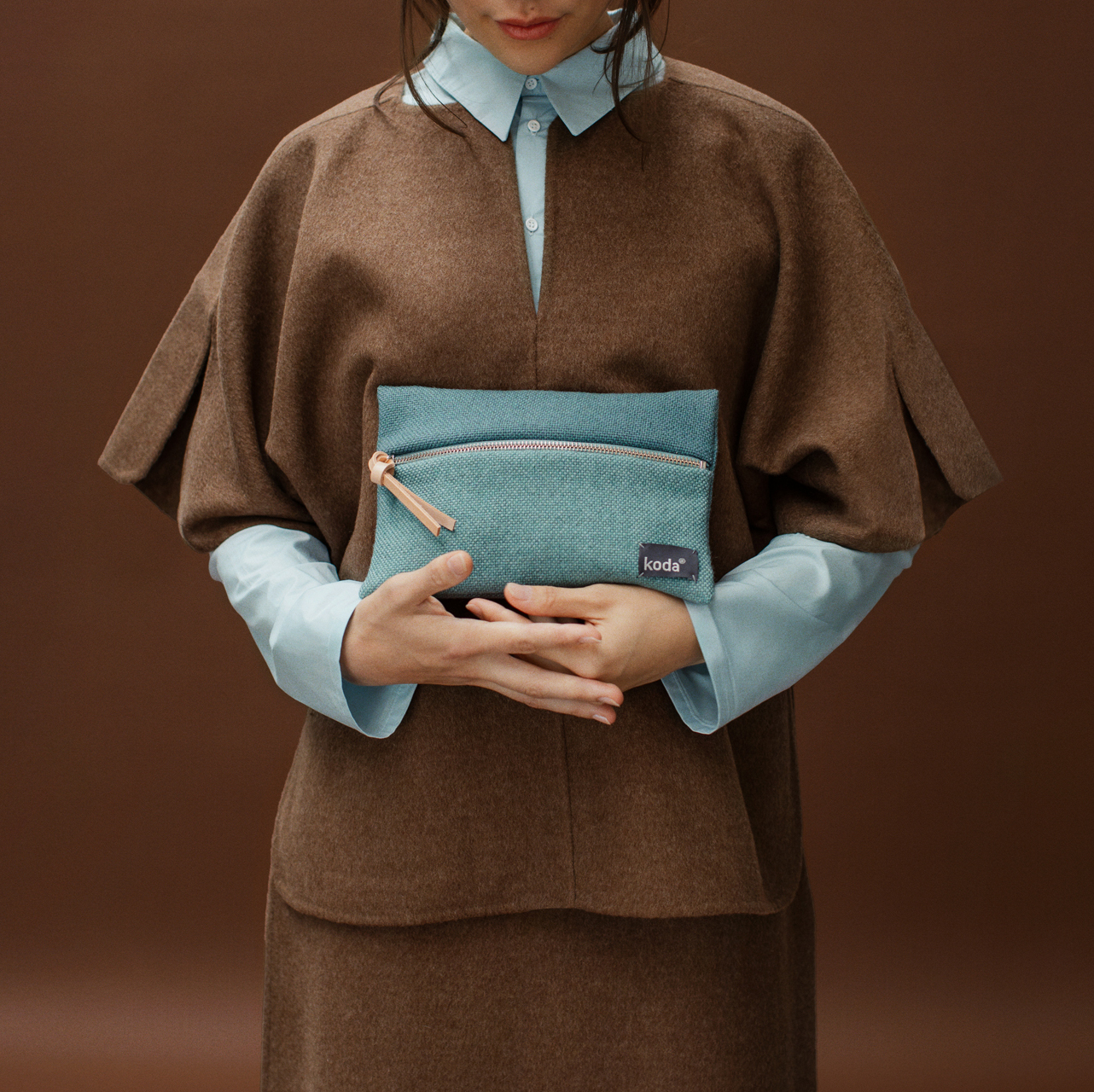
To minimise waste, De Ploeg collaborates with Koda Amsterdam. Leftover cutting waste from De Ploeg fabrics is transformed into unique accessories, such as cushions, plaids, bags and pouches.
Each item is one of a kind and carefully crafted by Dutch ateliers. In this way, residual materials are given a new purpose and waste is visibly reduced.
Certifications: ISO and Oeko‑Tex®
De Ploeg is officially certified according to:
- ISO 14001 (environmental management)
This certification confirms that De Ploeg actively works on controlling and reducing environmental risks, supported by a well-established management system for quality and processes.

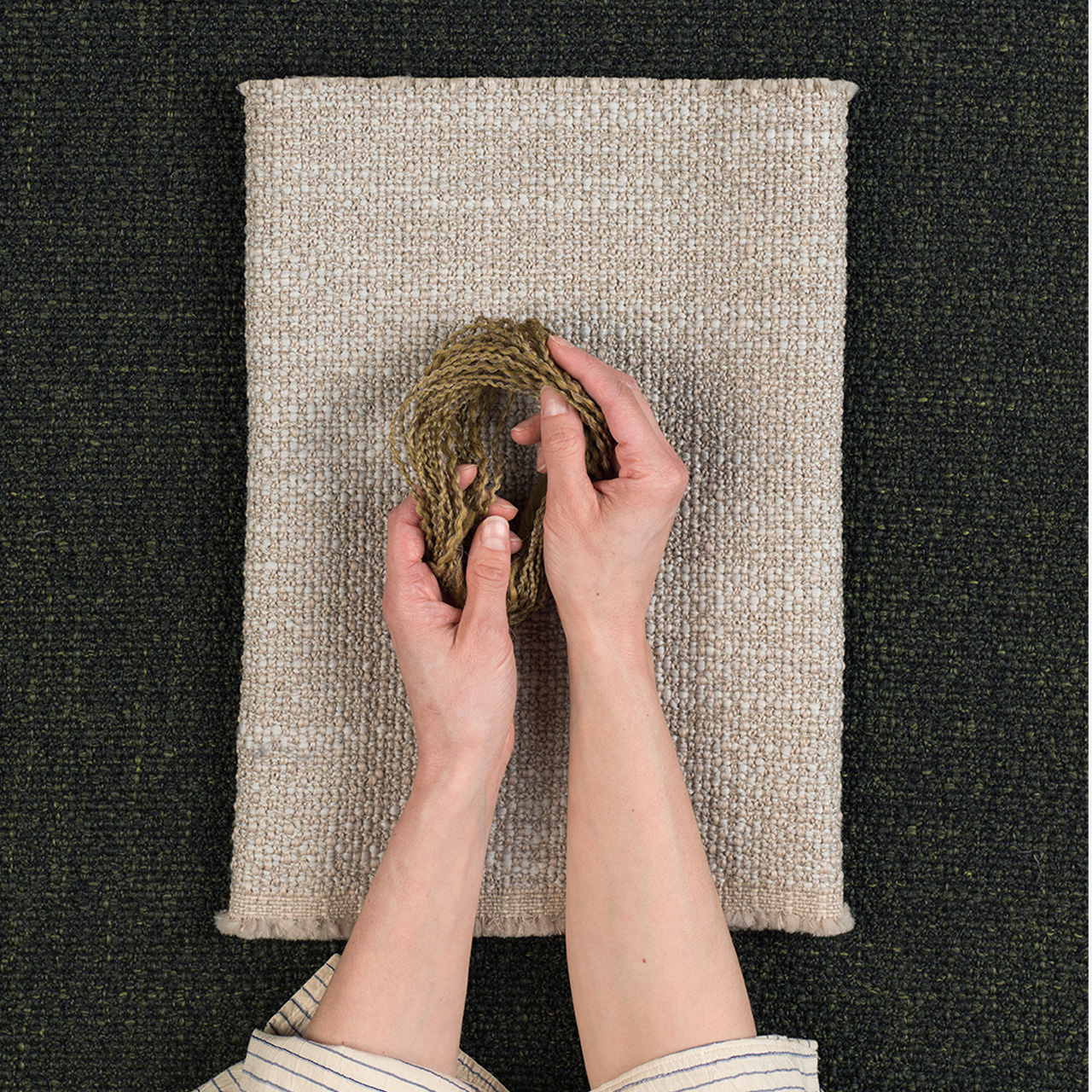
What should you look for when choosing sustainable curtains or upholstery fabrics?
If you want to make a conscious and realistic choice, consider the overall picture:
- How long does the fabric last?
- Has de fabric been tested for abrasion resistance and lightfastness?
- Worden gerecyclede of hernieuwbare materialen toegepast waar mogelijk?
- Vindt productie plaats volgens erkende normen en certificeringen?
- Past de stof bij het gebruik en de ruimte?
Echte duurzaamheid zit niet in één claim of label, maar in de optelsom van keuzes.
Sustainability without greenwashing
Sustainable fabrics require honesty and transparency. By investing in quality, craftsmanship and responsible production, De Ploeg contributes to interiors that are comfortable, long‑lasting and carefully made — today and in the future.
Other interesting articles

Kiro by De Ploeg: A playful upholstery fabric full of depth and character
Kiro combines softness, depth, and playful character in a single upholstery fabric. Discover how its unique yarn structure and subtle color accents create a vibrant, natural appearance.
Read more
When can a fabric be considered sustainable?
What makes a fabric sustainable? Discover how durability, quality and responsible production come together, and how De Ploeg applies this in practice.
Read more
Layered Color
Layered Color plays with layered tones and soft transitions. Discover how Echo, Glow, and Wave add modern designs to interiors that radiate calm and character.
Read more